Walker Industries Back it
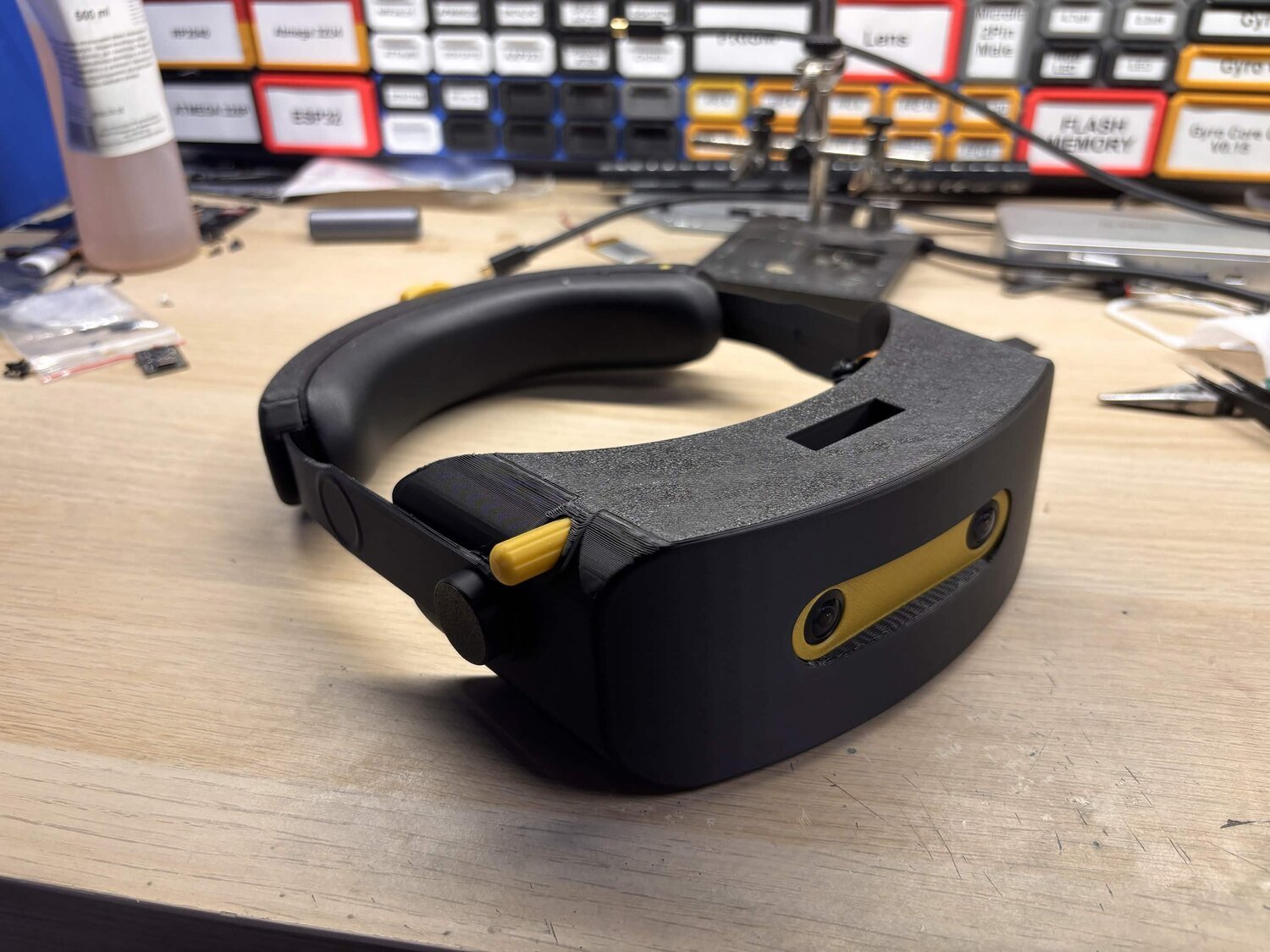
The Vector Gear headset on a workbench, showing its four front-facing cameras.

Kickstarter launching soon

Vector
Gear

More games, less gambles.

Standalone, PCVR and emulation in one headset. Comes with face and eye tracking, inside-out SLAM, colour passthrough, and a spatial OS you can rewrite while wearing it. Open, repairable, and actually yours.

Funding goal
$150,000All or nothing
Campaign
60 daysFrom launch day
Vector Gear
$980Standalone · 2160×2160 per eye
Andromeda
from $650PCVR · LCD or pancake OLED

You own the hardware you buy.

We want technology to feel like the early 2000s again — human, openable, fixable. So when you buy a Vector Gear you don't just get a headset. You get every way to play, more presence than anything else at this price, and the freedom to mod, break open and repair what's yours.

Don't worry about DRM, headsets getting bricked or anti repair software. Most parts sold individually, and you're free to use them commercially.

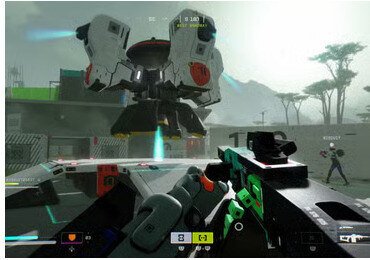
A mech shooter running on the headset.

Play more

PCVR, standalone and emulation in one headset.

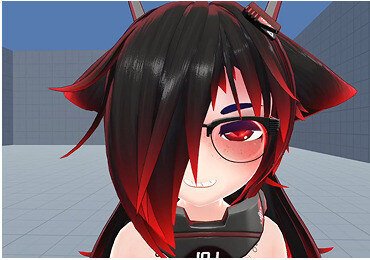
An avatar mirroring a wearer's expression in a social VR world.

Do more

Eye tracking, face tracking, colour passthrough, inside-out.

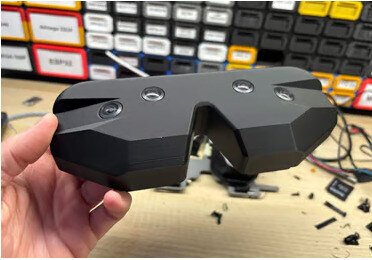
The Vector Gear shell held in one hand.

Build more

Open ecosystem, moddable, self-repairable.

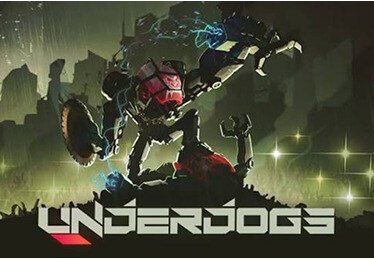
Underdogs running on the headset.

Run more

YuukOS, streamed SteamVR, WalkerWorks and the rest.

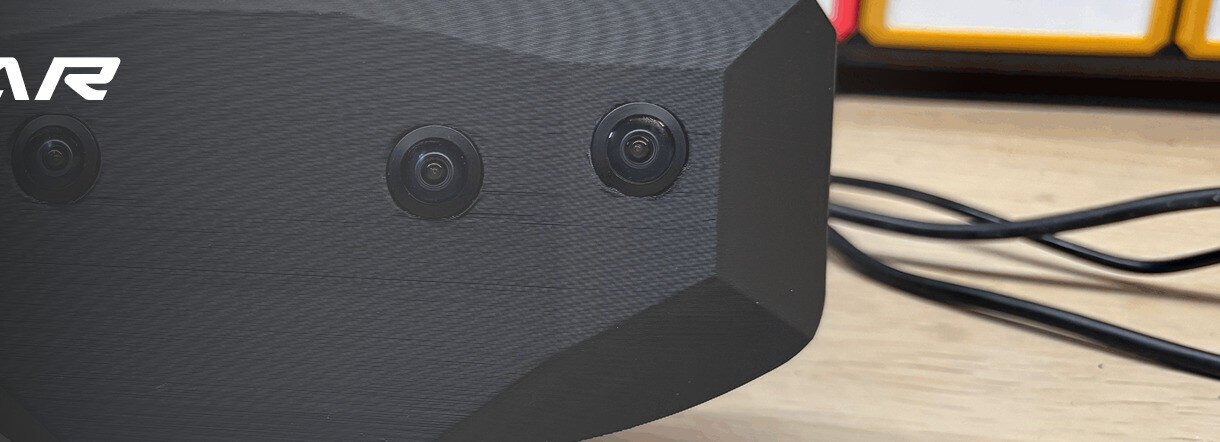
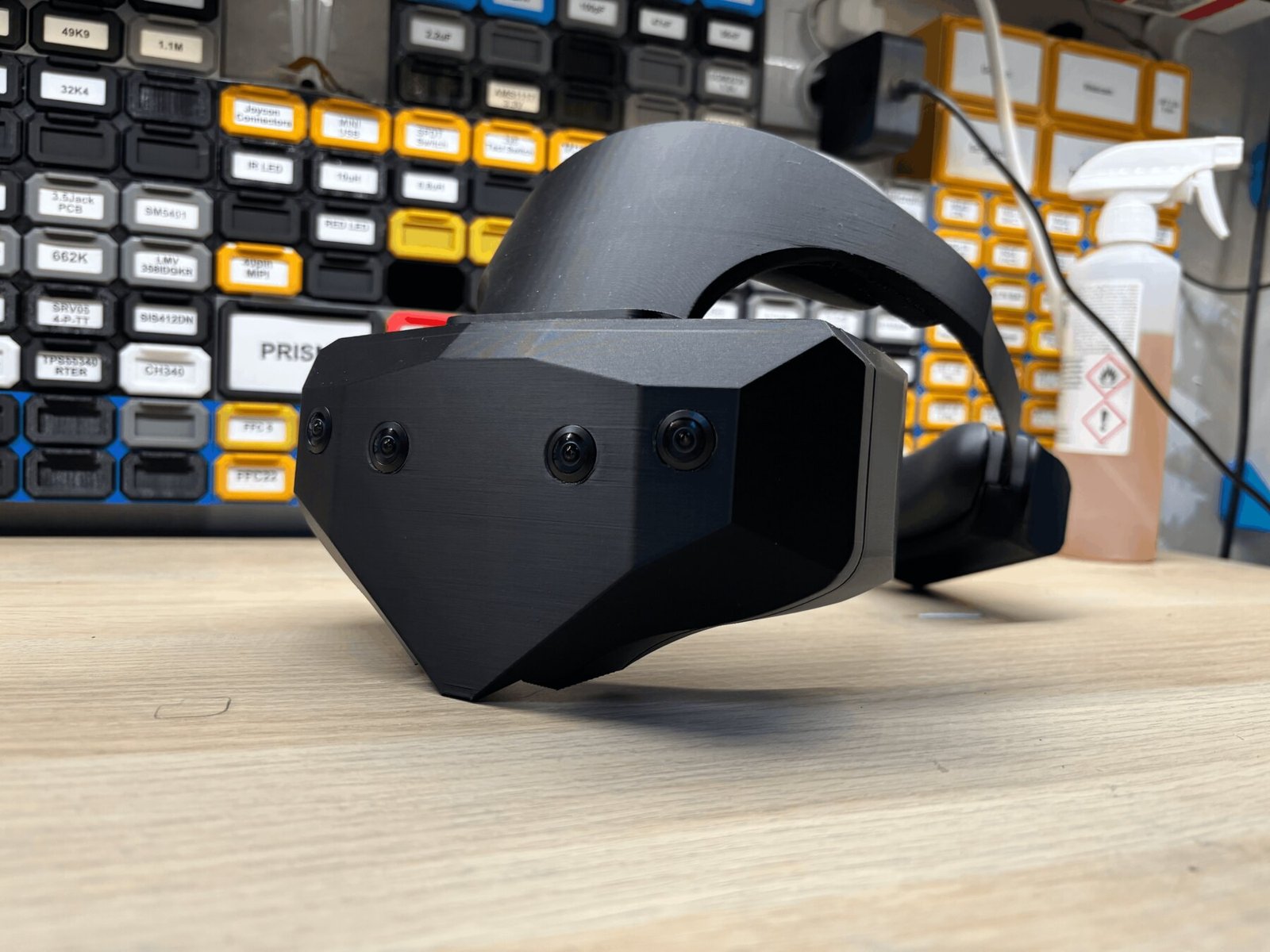
The Vector Gear V2 on the bench, four front-facing cameras across the faceplate.
V2 faceplate — two SLAM cameras, two colour passthrough cameras.
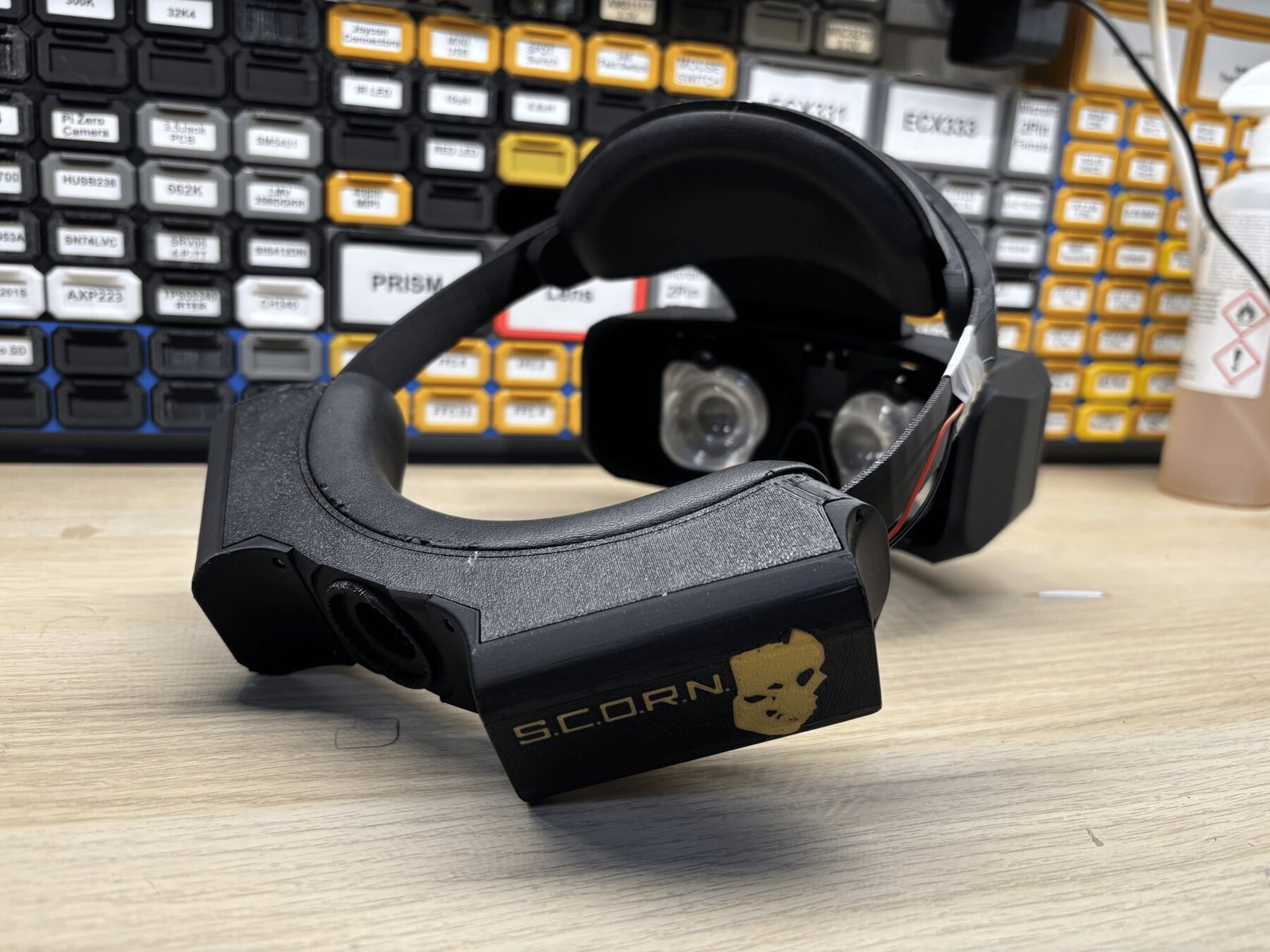
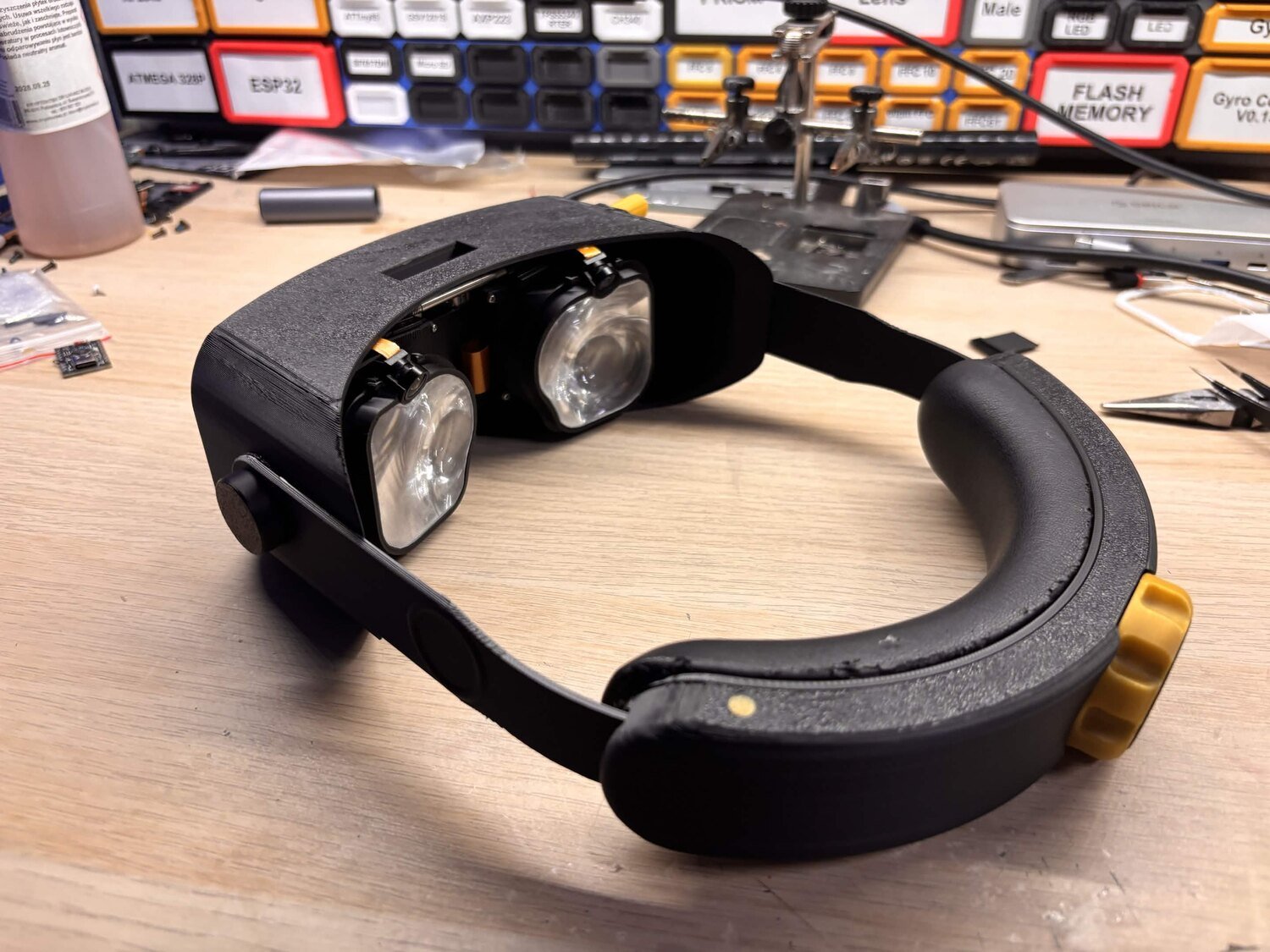
The Vector Gear V2 from behind, showing the halo strap and rear battery module.
Halo strap and rear cell module, carrying the weight off the face.

What's inside the Vector Gear

Base model · $980

Dual 2160×2160 at 90 Hz with automatic IPD. Full face tracking and no external hardware for environment tracking. A Snapdragon 8cx Gen 3 doing the work, an RK3576 co-processor handling SLAM and face tracking on its own 8 GB, and an 85 Wh silicon cell from Amprius underneath it all.

Compute

  • Qualcomm Snapdragon 8cx Gen 3 · 8 GB RAM
  • RK3576 co-processor · 8 GB RAM, for tracking, sensor fusion and developer-accessible compute
  • 500 GB / 1 TB NVMe SSD
  • Custom cartridge software support (planned)

Display & optics

  • 2160 × 2160 per eye @ 90 Hz, TFT LCD
  • Pseudo-pancake optics (dual combined Fresnel)
  • Automatic IPD adjustment
  • Foveated rendering (planned)

Tracking & sensing

  • Inside-out SLAM — headset, controllers and gloves
  • 2 × monochrome SLAM cameras
  • 2 × interior eye-tracking cameras
  • 1 × interior mouth-tracking camera
  • 2 × colour passthrough cameras (global shutter)
  • Full face tracking

Input

  • Steam Frame–inspired controllers
  • M-DAS glove system (in progress)

Power & audio

  • 85 Wh high-density silicon battery (Amprius)
  • USB-C PD charging
  • Dual microphone array + audio system

Software stack

  • YuukOS — Arch-based XR distribution
  • XRUIOS spatial computing layer
  • FEX x86 emulation layer
  • Proton compatibility layer
  • Console emulation (iiSU partnership under discussion)
  • Shinra Meisin face tracking — in house
  • AstroSLAM inside-out tracking — in house

Connectivity

  • Wireless PCVR streaming
  • Low-latency Wi-Fi 6E streaming adapter, optional (planned)
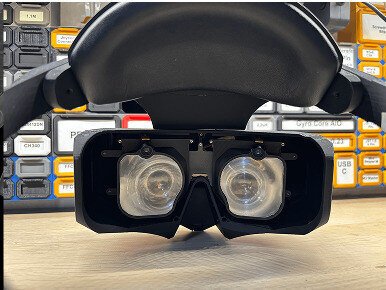
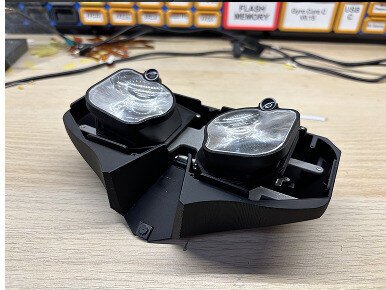
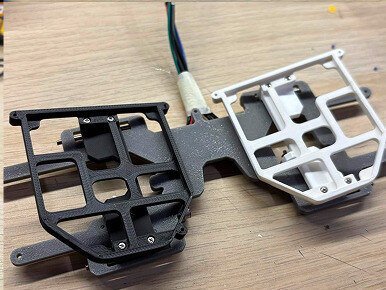
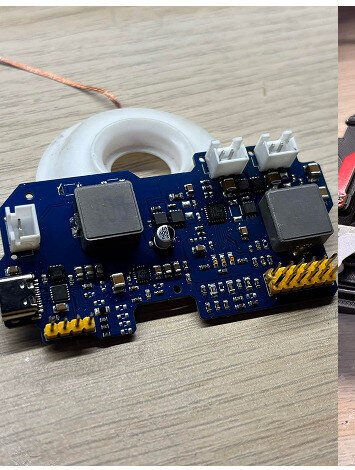
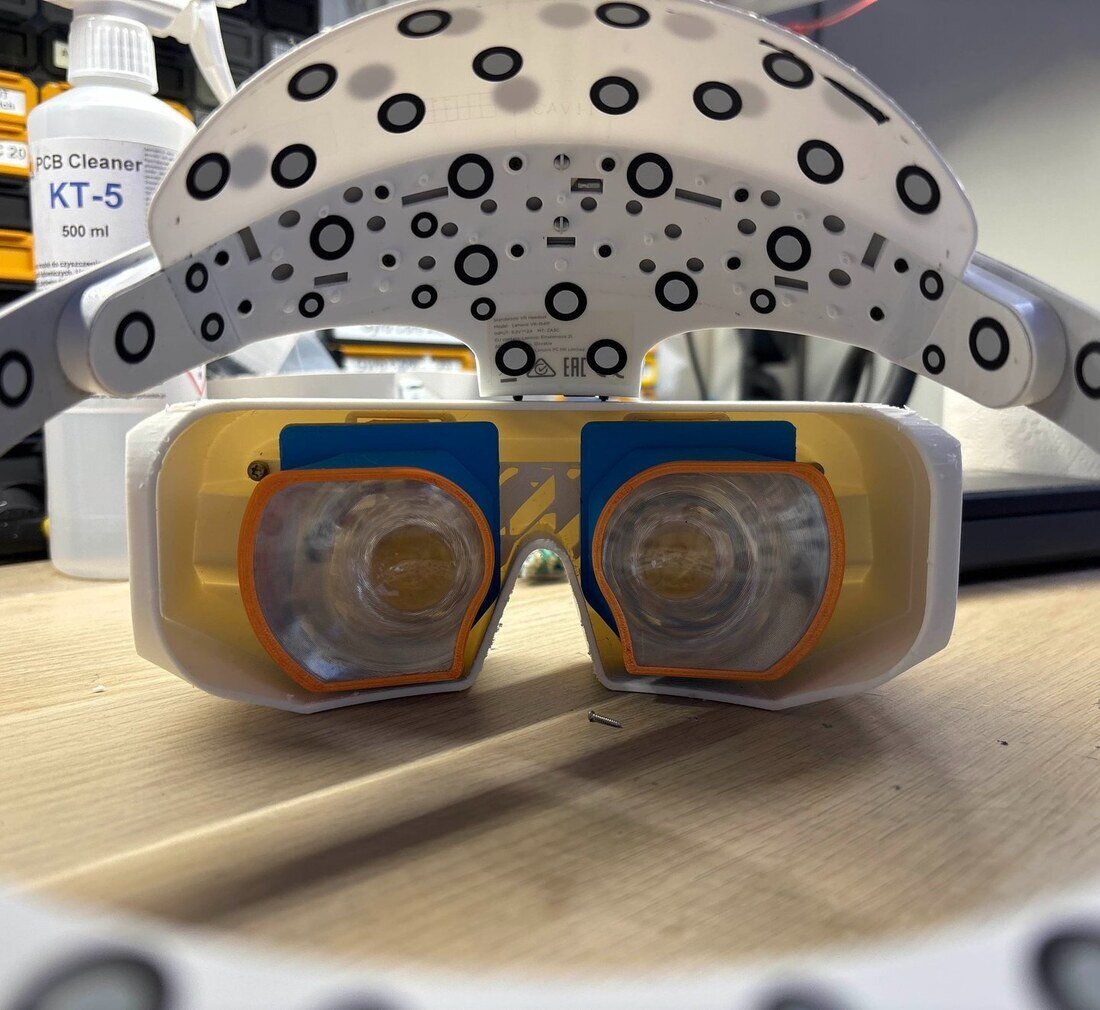
The custom driver board. The optical stack seen from the wearer's side. The lens carrier assembly. Printed frame parts, black and white.
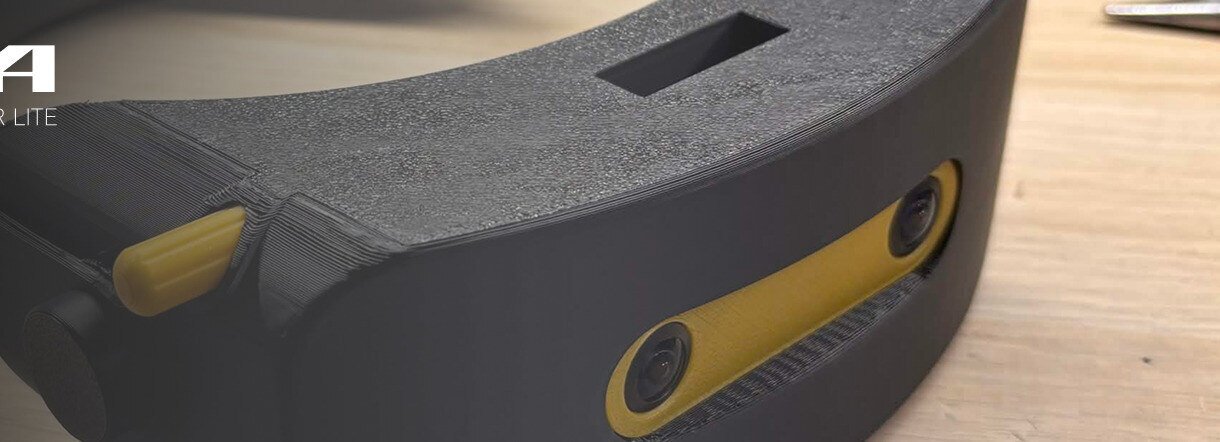
The Andromeda headset on a workbench, showing its yellow faceplate accents.

Andromeda

Vector Gear Lite

The prodigal son

Buy an Andromeda and you get the same open ecosystem and the same modding freedom as the Vector Gear — purpose-built for wireless PCVR at a price that doesn't hurt.

  • PCVR focused · wireless foveated streaming planned on the RK3576 core for the Base Version, RK3588 for the Pancake Version
  • Inside-out headset and controllers + face tracking
  • 1600 × 1600 LCD or 2560 × 2560 pancake OLED per eye
  • Automatic IPD adjustment
  • 45 W Amprius silicon battery, 7+ hour life (in progress)
  • Same expansion ecosystem as the Vector Gear
$650
LCD
$1,200
Pancake OLED
The Andromeda from the side. The Andromeda from the wearer's side, showing both lenses.

One controller, both headsets

Both headsets ship with the same controller, tracked inside-out by the RK3576. The final version keeps a Steam Frame–based layout, adds capacitive tracking, and runs on the same silicon-cell power as the headsets.

Built in house

Tracking · SLAM · spatial OS

We take a lot of pride in most of what we do being ours. All four of these are already running on hardware, and three of them you can read the source of right now.

Shinra Meisin

Face & eye tracking

A custom tracker for eyes and mouth. It already feeds eye and mouth data over OSC to social apps like VRChat, so expressions carry across. We're running a 60-person data collection event to get the cameras working from a headset-mounted point of view — across monolids, skin tones and everything else the usual datasets miss.

AstroSLAM

Inside-out tracking

Our own inside-out tracking algorithm, written for the Vector Gear. It uses several state-of-the-art techniques — including an attention system — to track the headset and the controllers to the same standard.

MilkyWay

AstroSLAM SteamVR driver

The driver that hands AstroSLAM's pose data to SteamVR, so the headset and controllers show up as ordinary tracked devices. It already works — no external base stations, no proprietary runtime in between.

The XRUIOS

Spatial computing platform

Take the customisation of Garry's Mod and fuse it with a high-performance spatial runtime: spawn, script and rewrite your operating system while you're wearing it. Turn the interface into a grimoire you drive with spoken spells, or a Y2K callback full of retro terminals. The Yuuko Protocol inside it hands applications back and forth between the headset and your desktop mid-task.

Open by default, not on request

Source-available or fully open

Our hardware and software are either source-available or fully open source. After release we open the ecosystem in stages — more software first, then hardware documentation, and eventually the lens design itself.

Most parts can be bought individually and used commercially. Break it open, modify it, print your own shell, put it in something we never imagined. It's yours.

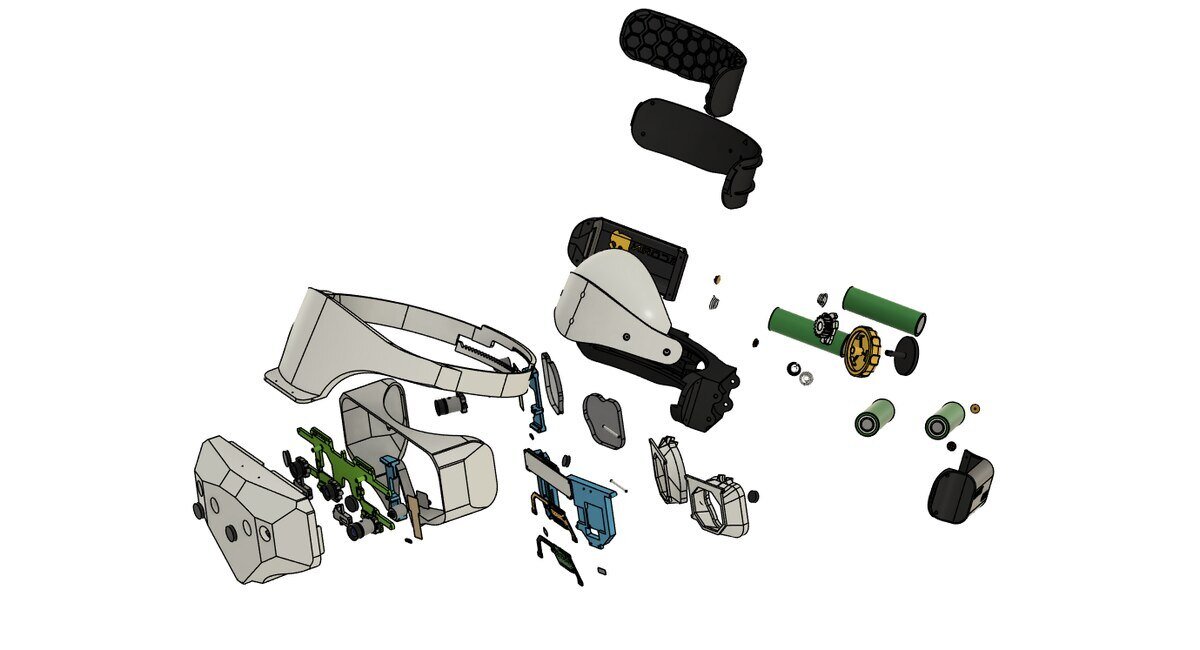
An exploded view of the headset showing every separable part.
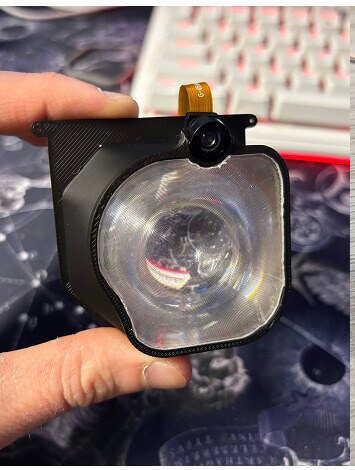
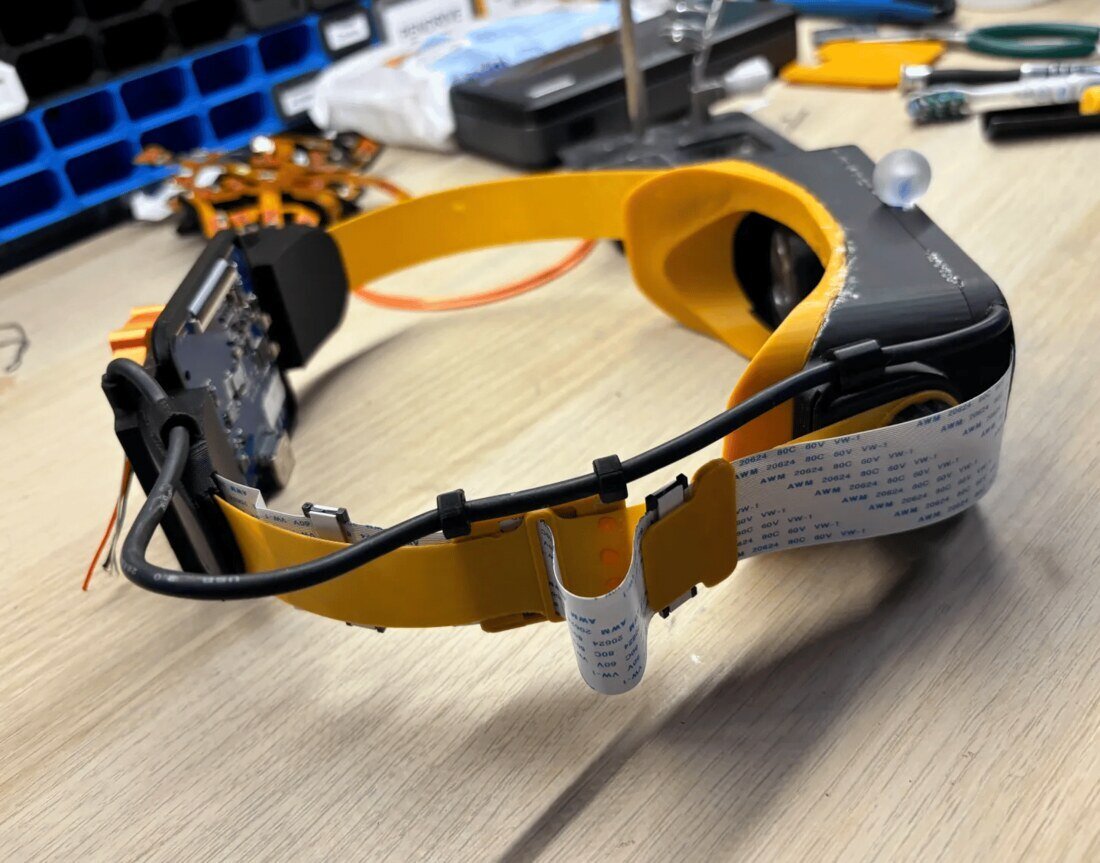
A lens and its printed carrier held up to the light. A custom power board. A lens module under assembly on the bench. An earlier devkit build in yellow and black.

Where the money goes

$150,000 · all or nothing

We're a small collective of researchers, engineers, scientists and creatives, and the biggest wall in front of us is money. Most of what you've seen here was built on a college student's day job, financial aid returns and competition winnings. While it got us a long way, it won't get us the rest.

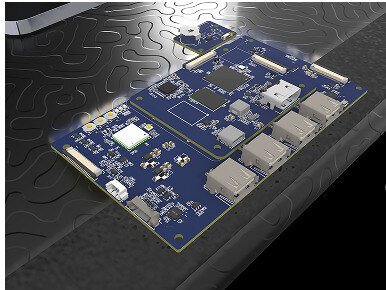
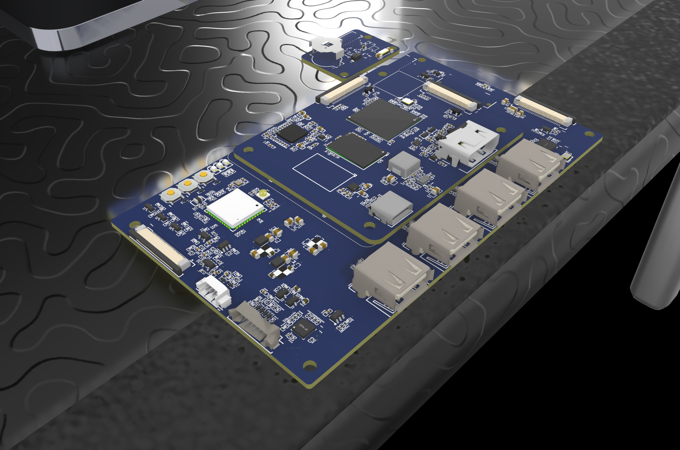
Render of the Vector Gear main board and its daughterboard.
The board that has to pass outside verification before any of this gets manufactured.

What it funds

  1. A large, paid data collection event so face tracking works properly across monolids, skin tones and every face the usual datasets skip.
  2. Getting our motherboards verified by an outside company, for function and for safety.
  3. More prototypes, and making manufacturing cheaper and easier to repeat.
  4. Paying the people of Prominence for work they've already done.
  5. Upfront manufacturing costs — this should arrive as a finished headset, not a kit you're obliged to assemble.

What it doesn't

  • Executive salaries. No executives, no VC breathing down our necks, and we intend to stay private. Nobody is getting a bloated paycheck or a nice office off your backing.
  • Marketing agencies. Everything you've read and every photo on this page was made by us.
  • Digital walls. Not a cent on DRM, proprietary lock-ins or anti-repair blocks. When you buy a Vector Gear, it's yours.

A note from the director

WalkerDev · founder

My name is WalkerDev. Years ago, after watching Sword Art Online, I had a dream — that VR and MR could change the world for the better. I believed that enough to walk away from the tools companies said were good and start building my own path from nothing. I was maybe 13 at the time. Nine years and a few failures later, here we are.

Along the way I created Prominence: a team of people who are skilled and yet unusual. Some outcasts, some shy, some not as social. People the world shut down and disregarded. As my team would say, I'm a bit of a chunni — so I'll put it this way:

After being disregarded and falling unto the greatest abyss of the human heart, it was only there that I could find the dimmest stars which shone with a strange radiance. When put together, those grey, old flashes became a beautiful constellation called Prominence.

Thanks to these people — who I genuinely call my friends — we've done things none of us could have done alone. It still feels strange sometimes. I remember starting all of this by myself with shoddy CAD files and mediocre software. Today I lead a group of people I believe would follow me into the depths of hell, because they know I have their best interests in mind.

Keep reading

Even when they decide to prod me with a stick — you know who you are — I love these guys. I grew up pretty lonely and always assumed it would be like that forever, and I'd go as far as to say I see them as family at this point.

Strings and Erick with their ragebaiting. John being the only source of sense in the room, sometimes. Sera with their interesting ideas. Manolo having an insane idea and somehow making it work like it's commonplace. Kennaness with her sincerity. Stingpie with their to-the-ground way of thinking. NotPorgu with their curiosity. AM with his view on the world and what could be. And many more. I got to learn so much about all of you, without the corporate banter.

I remember when we had two months to build the XRUIOS for an exhibition. I was practically throwing tasks at everyone, and it was amazing to watch how hard we all worked. We went from nothing to Keeper of Tomes, then Eclipse, then XRUIOS.Barebones, and finally the Unity version. Several all-nighters, all of us genuinely wondering if we'd make it. We did.

It's both a blessing and a real responsibility to lead a group of people like this.

And now we're here, building something we actually believe in. The Vector Gear is real. The devkit exists, the software is running, and the team builds every day. But getting from a working prototype to a product in your hands takes capital a small indie team doesn't have sitting around. Our limits right now are purely hardware — custom driver boards need testing, components need procuring at scale. I'm a college student bootstrapping out of competitions and a job. I don't come from money, and that's true for most of Prominence too.

Your backing doesn't just fund a product. It funds the last step from this works to this ships — and it lets me properly thank the people I'd give the world to. They trust me. I hope you can trust me too, to make something worth keeping.

As long as humans exist, there will always be the capacity for change. I hope we can help build a kinder, more human world — and get back to a time when technology served people and made them hopeful about the future.

— WalkerDev, founder, Walker Industries

The people who built it

Prominence & friends

Back it before the clock runs out.

All or nothing. The campaign only funds if it reaches $150,000 in 60 days. Rewards aren't guaranteed on Kickstarter — but creators have to keep backers updated, and we'd be telling you all of this anyway.